
The “Golden Hour” Hack: Aesthetic Window Light Patterns for Cinematic Home Lighting
Sunlight gets wasted more than it should. It hits a wall, floods the room, and that’s the end of the story. Bright, flat, forgettable. Most spaces don’t shape light—they just tolerate it.
But tweak what that light passes through, even slightly, and the whole room shifts. Suddenly, you get depth, movement, and shadows that change hour by hour. That’s where aesthetic window light patterns come in. You’re not adding anything loud or expensive—you’re just redirecting what’s already there.
This is less about decorating and more about control. You’re turning raw daylight into something intentional. Softer in the morning. Warmer in the afternoon. A little dramatic by evening. And yeah, it looks good on camera too, which matters more than people admit.

How to Create Aesthetic Window Light Patterns in Any Room
Direct sunlight is blunt. It hits a surface and reflects evenly. That’s why rooms can feel washed out at noon.
Break that light up, though, and you introduce contrast. Tiny variations. Edges. Depth.
That’s the foundation of cinematic home lighting—not brightness, but controlled imperfection.
The “Flat Wall” Problem: A wall often feels sterile in broad daylight because the light is hitting it at a direct 90-degree angle. Without anything to interrupt the beam, your eyes perceive a single, uniform tone that lacks depth. It feels like a hospital room rather than a home.
The Solution (The “Interference” Layer): By placing a “filter” between the glass and the wall, you introduce visual texture. Whether it’s the soft, organic weave of linen, the sharp geometric lines of etched glass, or the “living” shadows of hanging wall plants, you are effectively breaking up the light.
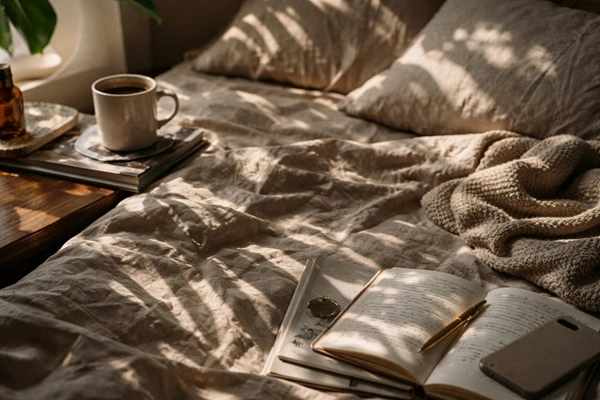
This creates a layered shadow effect that shifts as the sun moves. It turns a static surface into a dynamic one. While these solutions—like frosted “sunblast” films or sheer fabric—might feel like temporary decor tweaks, they actually solve a permanent architectural problem: they replace clinical flatness with a rich, cinematic atmosphere.
The Physics of Mood
Q: Why do my walls look flat in broad daylight?
A: It’s a lack of contrast. When light hits a flat surface directly without interruption, your eye perceives a single uniform tone. Adding texture—like linen sheers or plants—introduces micro-shadows. These tiny variations are what create depth and make a room feel “designed” rather than just “bright.”
Choosing Your Texture: 3 Low-Effort Setups That Actually Work
You don’t need a full redesign. Most of this comes down to what sits between your window and your room.
1. The “Cloud Glow” Setup (Soft Diffusion That Feels Effortless)
Sheer curtains are still the easiest win. But not all shears behave the same.
What works best:
- Linen or linen-blend fabric
- Slightly warm tones (oatmeal, soft beige)
- Loose hang, not stretched tight
What you get:
- A soft, even glow across the room
- Reduced glare without killing brightness
- A subtle morning sun aesthetic that doesn’t feel staged
One detail people miss—pure white sheers can look cold under strong daylight. Slightly off-white tones warm everything up without trying too hard.
2. Dappled Light Window Shades (Organic, Slightly Messy, More Real)
This is where things stop looking “designed” and start feeling lived-in.
Dappled light window shades—like bamboo or jute—don’t filter light evenly. They scatter it. You get tiny points of brightness mixed with soft shadow.
Pair them with:
- A plant near the window (broad leaves work best)
- Light-colored walls
- Minimal heavy furniture blocking the path
What happens:
- Shadows move throughout the day
- The room feels less static
- Light looks different every hour
And here’s something that’s showing up more lately: a bit of an organized mess actually helps. A wrinkled linen throw, a half-open book, uneven textures—these catch light in unpredictable ways. It feels more real, especially in photos.
3. Graphic Window Films (For Bold Aesthetic Window Light Patterns)
If you want something more intentional, films are the move.
Popular options:
- Reeded or fluted patterns
- Geometric shapes
- Soft frosted designs with variation
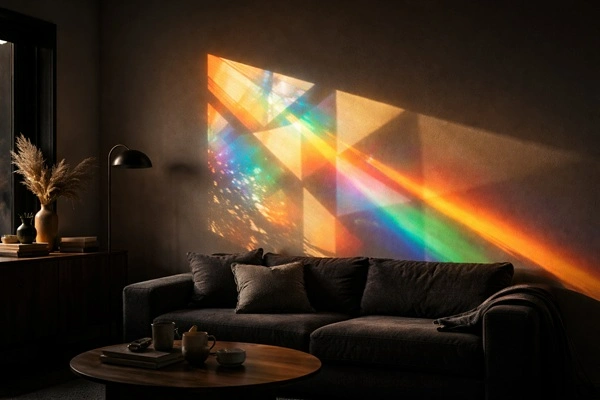
These turn your window into a projector. Instead of just diffusing light, they shape it.
Best use case:
- One feature wall
- Minimal wall decor
- Strong sunlight exposure
Done right, the light becomes the decoration. No extra art needed.
Warning: The Low-E Glass Issue Most People Miss
This part gets ignored in most guides, and it shouldn’t.
If you live in a newer building, there’s a good chance your windows use Low-E (low-emissivity) glass. It’s designed to reflect heat and improve insulation.
Here’s the problem:
- Dark or reflective window films can trap heat between layers
- That heat buildup creates thermal stress
- In some cases, it can lead to glass cracking
What to do instead:
- Stick to light, non-reflective films
- Look for “Low-E compatible” labels
- Avoid anything heavily tinted or mirrored
If you’re unsure, check with the window manufacturer or building specs. It’s a small step that saves a very expensive mistake.

Critical: The Low-E Glass Rule
If you have modern, high-efficiency windows (Low-E), applying dark or reflective films can cause thermal stress. The film traps heat between the glass panes, which can lead to spontaneous cracking. Always verify that your window film is “Low-E Compatible” or stick to light, static-cling frosted textures.

Designing for Real Life (and the Camera, Let’s Be Honest)
Even if you’re not posting your space, it still matters how it looks in passing—on a video call, in a mirror, in the background.
Light plays differently on camera than in person.
A few adjustments that make a difference:
Layer your textures
- Sheer curtain + plant = depth
- Film + blinds = sharper contrast
Keep one “highlight wall”
- Light patterns need a surface to land on
- Warm neutrals work best (sand, clay, soft gray)
Don’t over-clean the scene
- A slightly imperfect setup catches light better
- Flat, empty surfaces actually kill the effect
There’s a reason perfectly staged rooms feel off. They don’t interact with light—they just reflect it.
The Morning vs Evening Shift (Same Window, Different Mood)
Light changes. Your setup should account for that.
Morning (East-Facing Windows)
- Light is cooler, slightly blue
- Can feel a bit sharp early on
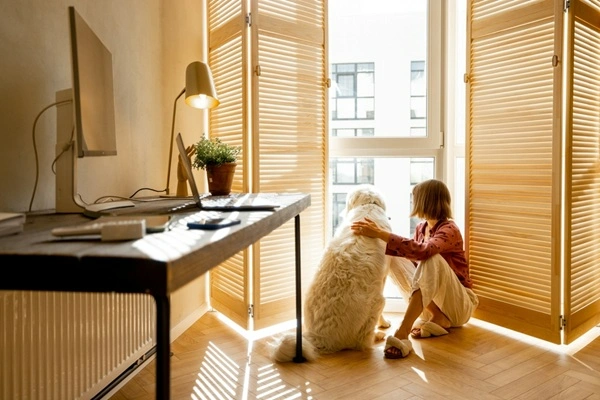
Fix:
- Use warmer-toned sheers (beige, tan)
- Add soft textures nearby (fabric, wood)
This balances the tone and makes mornings feel less harsh.
Afternoon to Evening (West-Facing Windows)
This is where things peak.
- Light turns warm and golden
- Shadows get longer and more defined
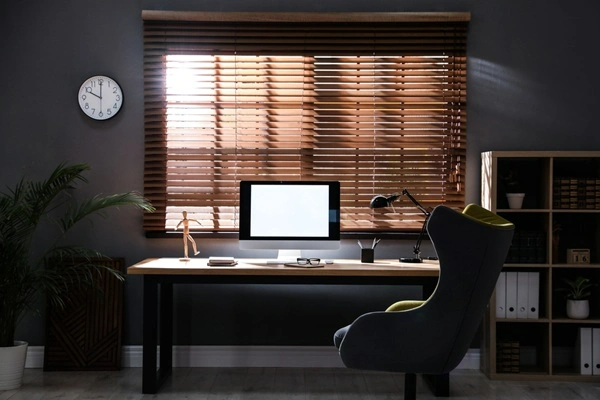
Best tools:
- Venetian blinds are angled slightly downward
- Slatted wood panels
- Minimal obstruction
You’ll get those clean, striped shadows that feel straight out of a film scene. This is peak cinematic home lighting without trying.
Small Tweaks That Have a Big Impact
You don’t need to redo the whole room. Just adjust one variable at a time.
Try this sequence:
- Add a sheer curtain
- Introduce one plant near the window
- Observe how light moves across the room
- Then decide if you need more texture (film, shades, etc.)
Give it a few days. Light behaves differently depending on the weather, time, and season.
Common Mistakes That Flatten the Effect
Even good setups can fall apart with a few missteps.
Too many competing textures
Mixing multiple bold patterns creates visual noise instead of depth.
Dark wall colors in the wrong place
Deep tones absorb light patterns instead of showing them.
Leaving artificial lights on during the day
It cancels out the subtle changes in natural light.
Blocking the window completely
Heavy blackout curtains kill the entire effect unless you’re sleeping.
Conclusion
Light isn’t just a background element. It’s one of the few things in your space that actually changes throughout the day. Once you start shaping it—filtering it, layering it, breaking it into patterns—you realize how much atmosphere you were leaving on the table.
Aesthetic window light patterns aren’t about perfection. In fact, the slightly uneven, lived-in setups tend to look better. A plant that isn’t perfectly placed, fabric that wrinkles a bit, shadows that don’t land the same way every hour—that’s what makes the space feel real.
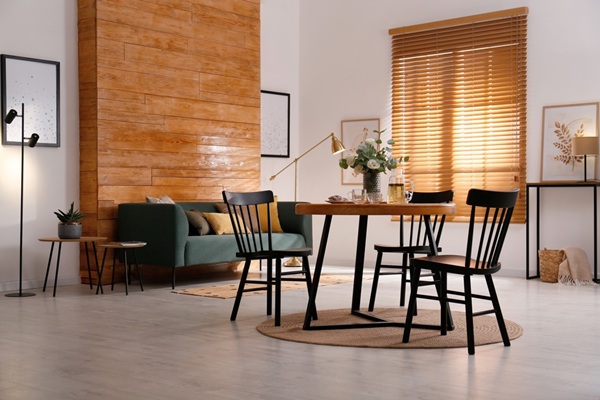
If you’re adjusting anything this week, start small. One window, one layer of texture, and just watch how the room behaves. You’ll start noticing moments—late afternoon shadows, soft morning glow—that weren’t there before, or at least didn’t stand out.
Don’t chase better lighting. Shape the light you already have. One curtain, one plant, one angle change—that’s usually enough to shift the entire mood.